Keynote Speaker

Arthur Gretton
University College London and Google DeepMind
Foundations
ICML 2026 Workshop
Advancing the foundations and applications of hypothesis testing in machine learning
A workshop bringing together researchers developing modern testing methodology and applying it across machine learning, including robustness, distribution shift, security, medicine, and LLM evaluation.
Why this workshop
The workshop highlights both the enduring foundations of statistical testing and the new demands created by modern machine learning.
Hypothesis testing remains central to scientific inquiry and continues to play a foundational role in machine learning, where empirical claims often depend on reliable comparisons, validation procedures, and uncertainty-aware decision making.
Modern machine learning introduces new challenges for testing methodology, including adaptive analysis, distribution shift, model complexity, safety-critical deployment, and the evaluation of increasingly powerful systems such as large language models.
This workshop aims to bridge foundational advances in testing with practical applications across machine learning, creating a common forum for researchers working on both rigorous methodology and real-world impact.
Topics
The program spans methodological advances in testing as well as high-impact machine learning domains where rigorous testing is essential.
Keynote speakers
The invited program brings together researchers spanning testing theory, security, medicine, and learning-based decision systems.
Keynote Speaker
University College London and Google DeepMind
Keynote Speaker
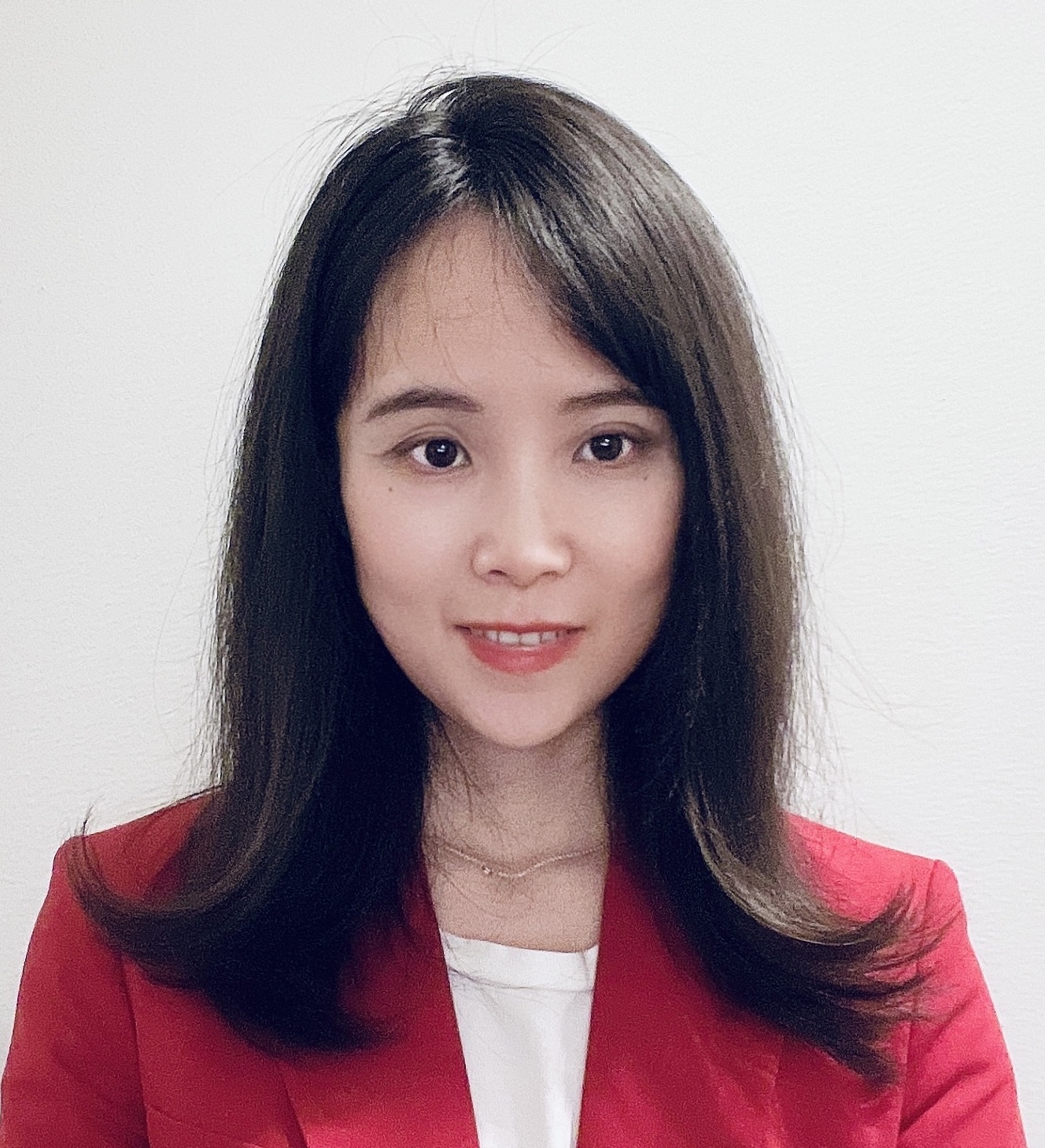
Georgia Institute of Technology
Keynote Speaker
TBA
Keynote Speaker
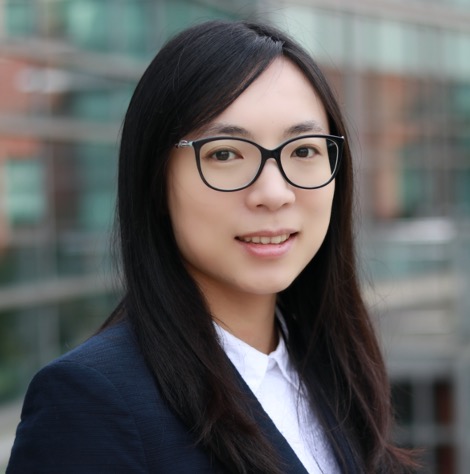
University of Illinois Urbana-Champaign and Virtue AI
Keynote Speaker
TBA
Keynote Speaker
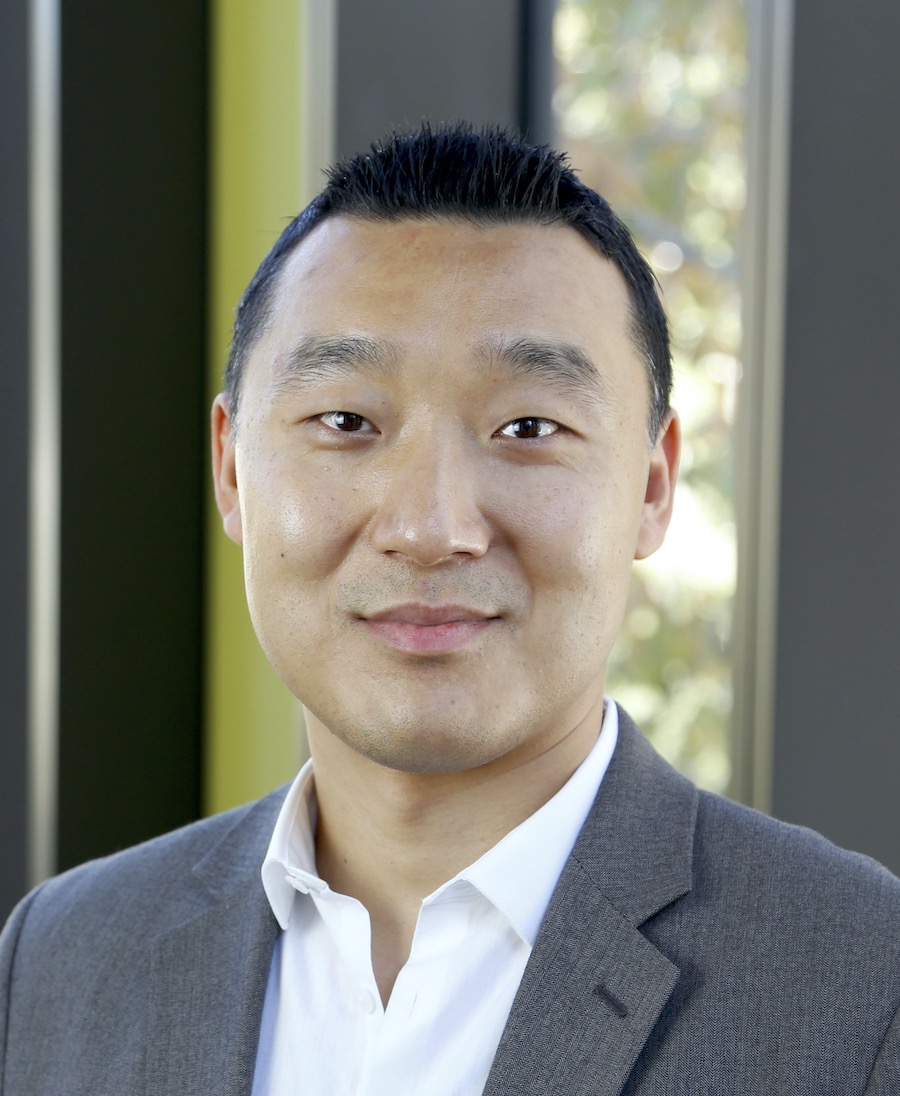
Caltech and Latitude AI
Call for Papers
We welcome submissions on the theory, methodology, and practice of hypothesis testing in machine learning. The workshop is designed to bring together researchers developing new testing methods and researchers applying them in important ML domains. Submissions should follow the ICML 2026 format.
Submission details
Presentation format
Accepted submissions may be presented as posters and some of them will be selected for contributed talks (i.e., orals).
Schedule
The program is organized around foundational advances, domain-facing applications, and a closing panel discussion.
Organizers
The organizing team (alphabetical order by surname) brings together expertise from academia and industry across statistics and machine learning.
Organizer
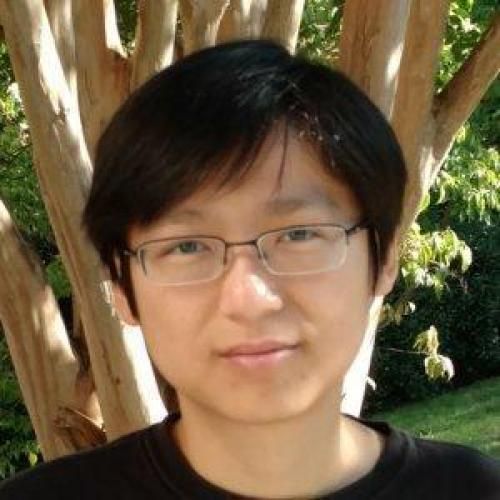
Organizer
Duke University
Researcher working at the intersection of machine learning, statistics, and modern testing methodology.
Organizer
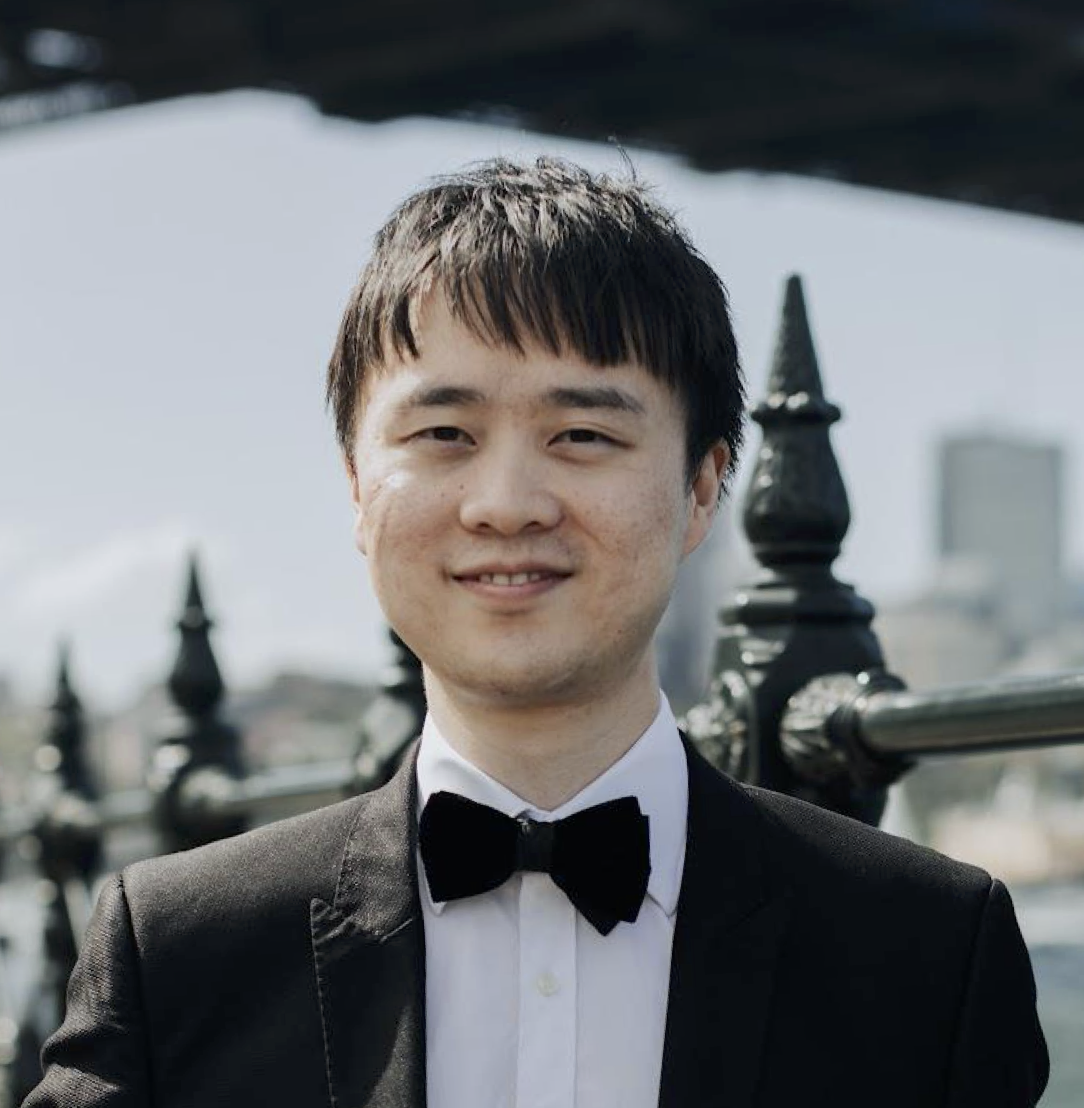
Organizer
University of Melbourne
Researcher in trustworthy machine learning, hypothesis testing, distribution shift, and statistical foundations for robust evaluation.
Organizer
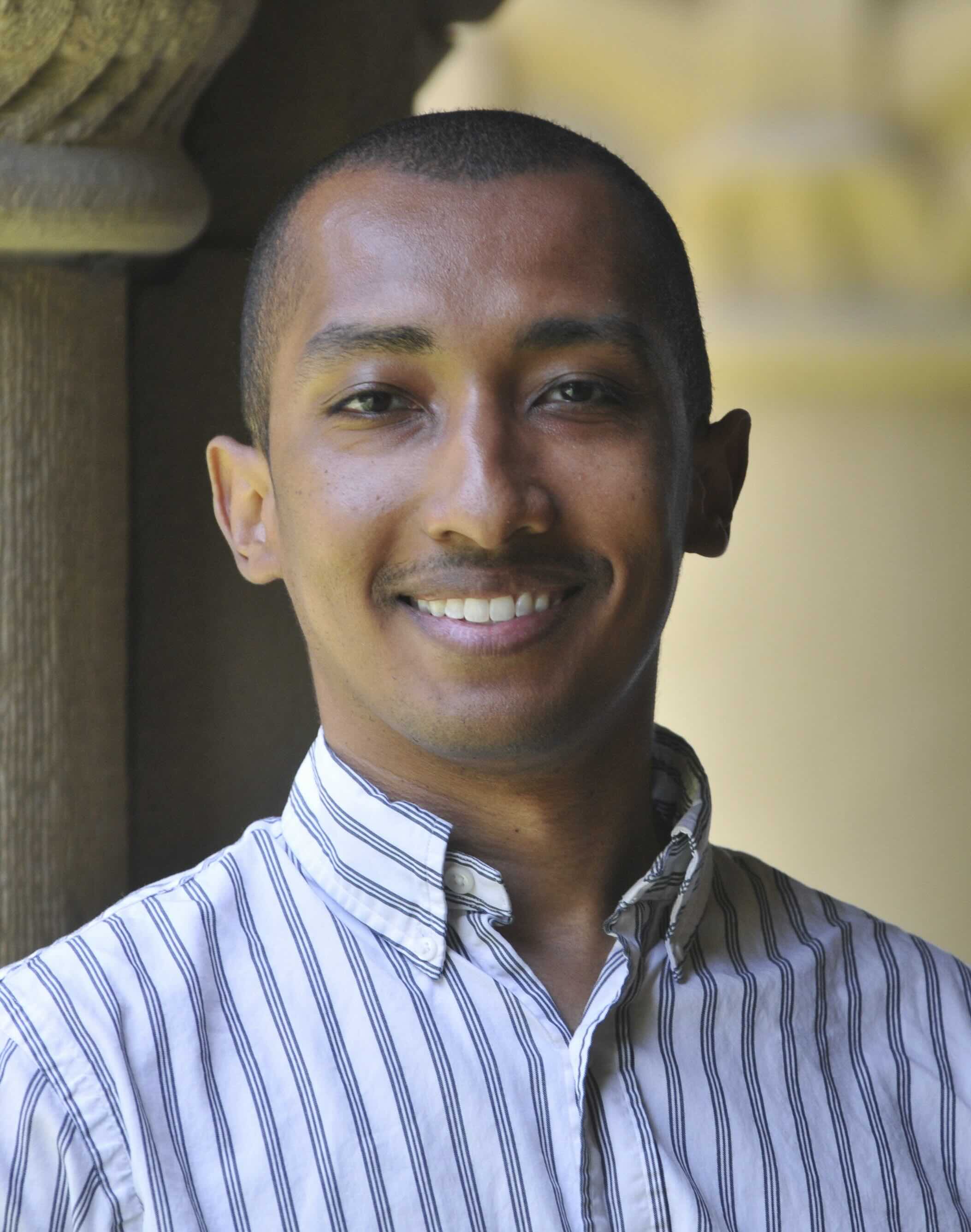
Organizer
Microsoft Research / Stanford affiliation
Researcher in scalable inference, adaptive data analysis, and reliable machine learning systems.
Organizer
Organizer
Snowflake
Researcher focused on statistical methodology, experimentation, and practical decision-making systems.
Organizer

Organizer
University of British Columbia
Researcher in machine learning and statistics with interests in testing, kernels, and reliable model evaluation.
Organizer
Organizer
University of British Columbia
Researcher working on statistical machine learning and practical testing problems in modern data settings.
Attend / Logistics
Venue, registration, and contact details will be updated here as ICML 2026 planning progresses.
The workshop is intended for researchers and practitioners interested in the foundations and applications of hypothesis testing across modern machine learning.
Additional details about attendance, access, and conference-specific policies will be added here once ICML 2026 logistics are finalized.
Please check back for updates on venue assignment, registration procedures, and any workshop-specific instructions.
FAQ
A few common questions about attendance, submissions, and presentation format.